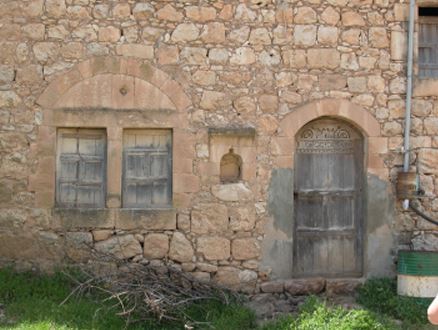
Hewn stone wall (ashlar) by: Traditional Mediterranean Architecture
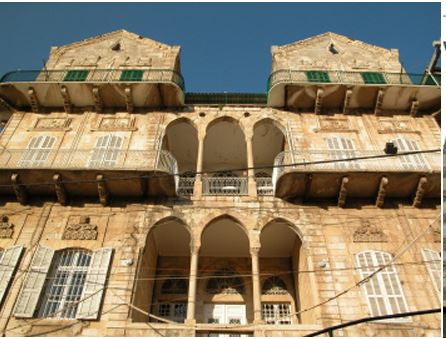
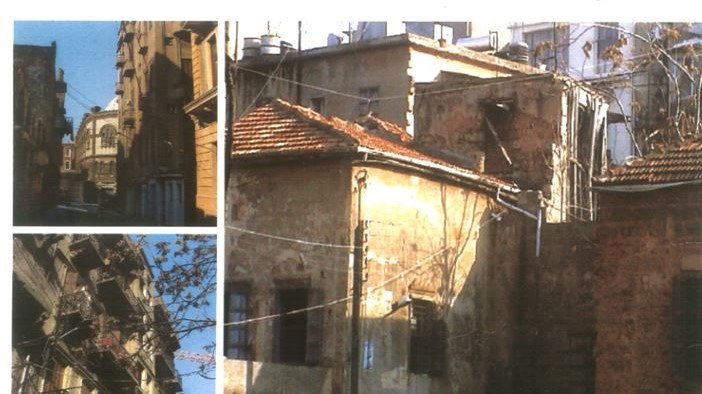
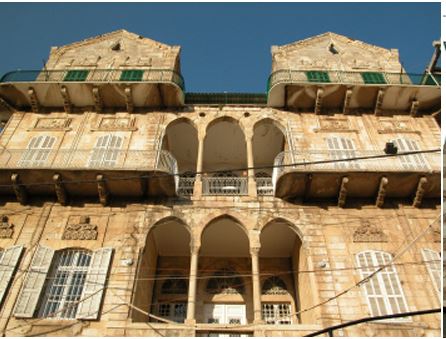
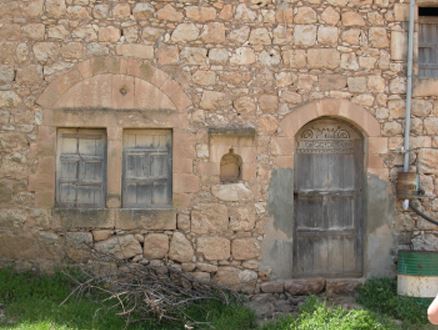
In the MEDA area, ashlar is used in all environments: urban, rural, mountain, plain and sea side. It is often regarded as a noble technique, through its fine workmanship and qualities, regarded as more urban than rural. Its is generally common. In Lebanon, ashlar (Hajar Manhout) is found in all geographical areas, in rural and urban environments.
Finding a "firm base" or “good ground” is a preliminary for the builder. If rock shows on the surface, the wall is built directly above. If not, all countries dig a small trench (~ 50 cm deep), practically never deeper than 1m. the width can be equal to the thickness of the wall above ground, but it can also be up to twice this thickness. Combination of 2 factors: width of the trench and type of filling materials: adjustments and adaptation to each spot and ground. The materials are always stony: the trench is filled with stones, generally linked with mortar. If the module is small, the trench is broader. Several countries reported construction over ruins used as foundation. In Lebanon, the foundation is either directly on rocky ground, or a coarse, rough limestone, header binder masonry, slightly broader than the thickness of the wall. Dimensions vary between 50 and 90 cm thick for a wall between 30 and 60 thick. Binding is carried out with lime mortar.


Please feel free to Contact us in order to tell you more about our payment methods and how to Pay!
We are available via Whatsapp on: +96171115664
Or Via Mail on: Kaslikworkshop@gmail.com
We are waiting for you !