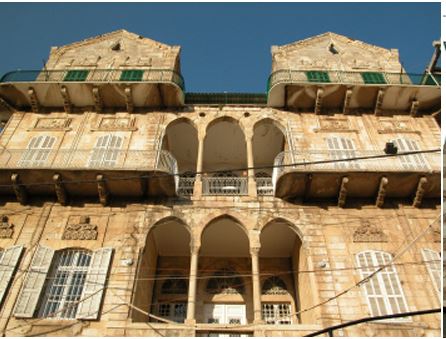
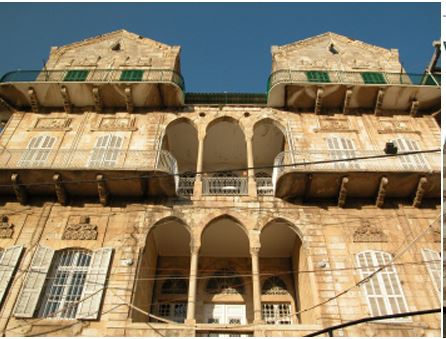
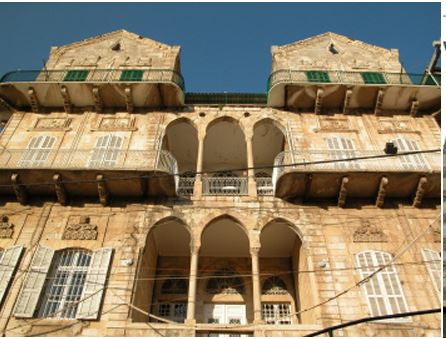
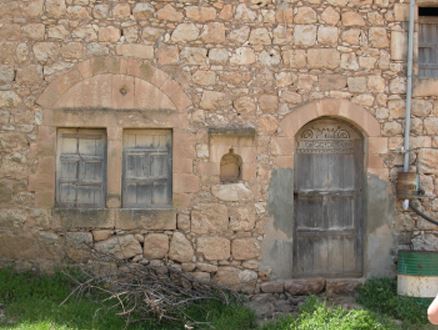
The reading phase compiles the raw material needed to reveal, define and understand the components of a territory, their complexity, as well as their insertion in the city. It is formalized by the capitalization of knowledge on the city in general and more particularly on the study district. It includes four levels of reading:
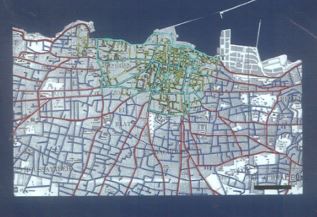
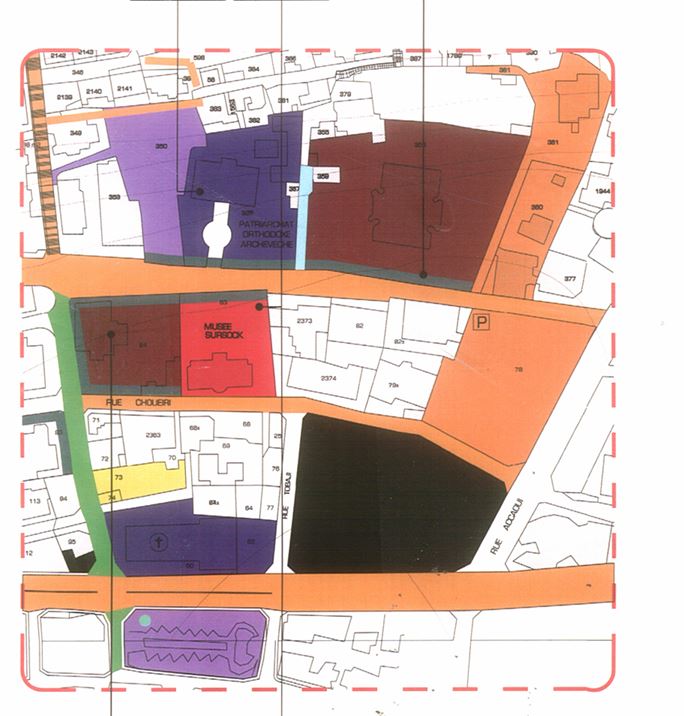
* The bibliographic reading encompasses all areas of research, which provide a better understanding of the district. It focuses in particular on the urban history of the city and the study district, on urban morphology and architectural typologies. This reading is followed by the production of thematic maps as well as a preliminary atlas of the natural and built components of the site.
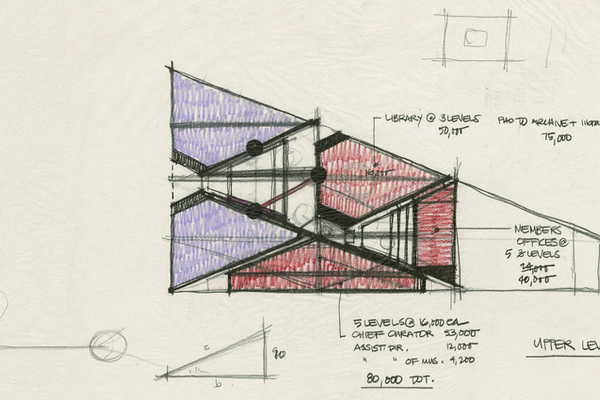
Intuitive reading allows the student to immerse himself in the neighborhood from a total immersion in its urban environment. Free rein is given to a personalized perception of the place through one or more media of the student's choice, which are selected for their relevance in communicating emotions: texts, photos, sketches, collages or even the computer tool.
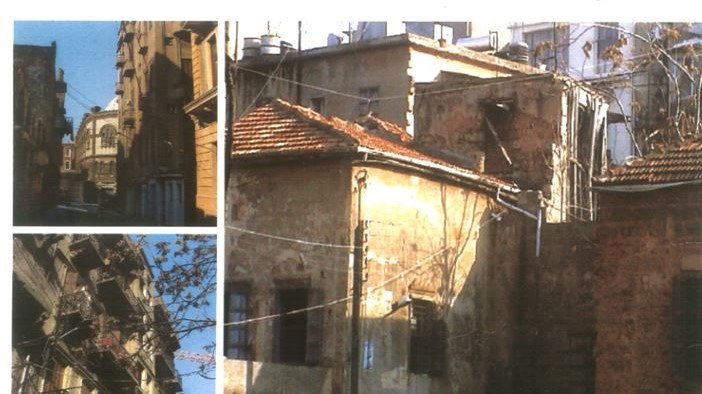
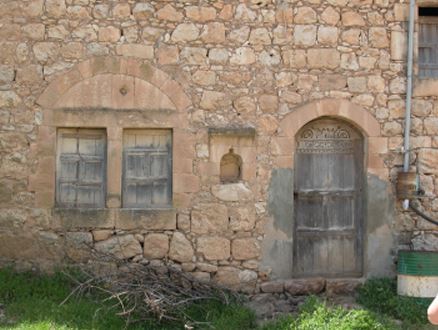
The objective reading of the neighborhood focuses on the built and human components. The surveys of buildings, inhabited spaces and public spaces are concretized by computer modeling. They are closely accompanied by a psychosocial survey whose objective is to understand and analyze in practice of the space by its respected users, namely the inhabitant, the trader, the consumer and the visitor
The legislative reading focuses on the assimilation of regulatory planning tools to the study area, as well as on national and international methods which aim to enhance the value of urban heritage.


Please feel free to Contact us in order to tell you more about our payment methods and how to Pay!
We are available via Whatsapp on: +96171115664
Or Via Mail on: Kaslikworkshop@gmail.com
We are waiting for you !